Industry
Industrial Processes
Challenge
The main challenge facing all businesses involved in industrial processes transport is the growing costs, including fuel. staff and equipment. The aim of ESOS is to investigate the options to reduce that spend and save energy.
The Opportunity
Our consultants have worked with over 70 clients and in all examples we were able to identify cost and energy savings. A number of companies have now implemented those options and are realising the actual savings.
Key Service
Compliance
Industrial Processes
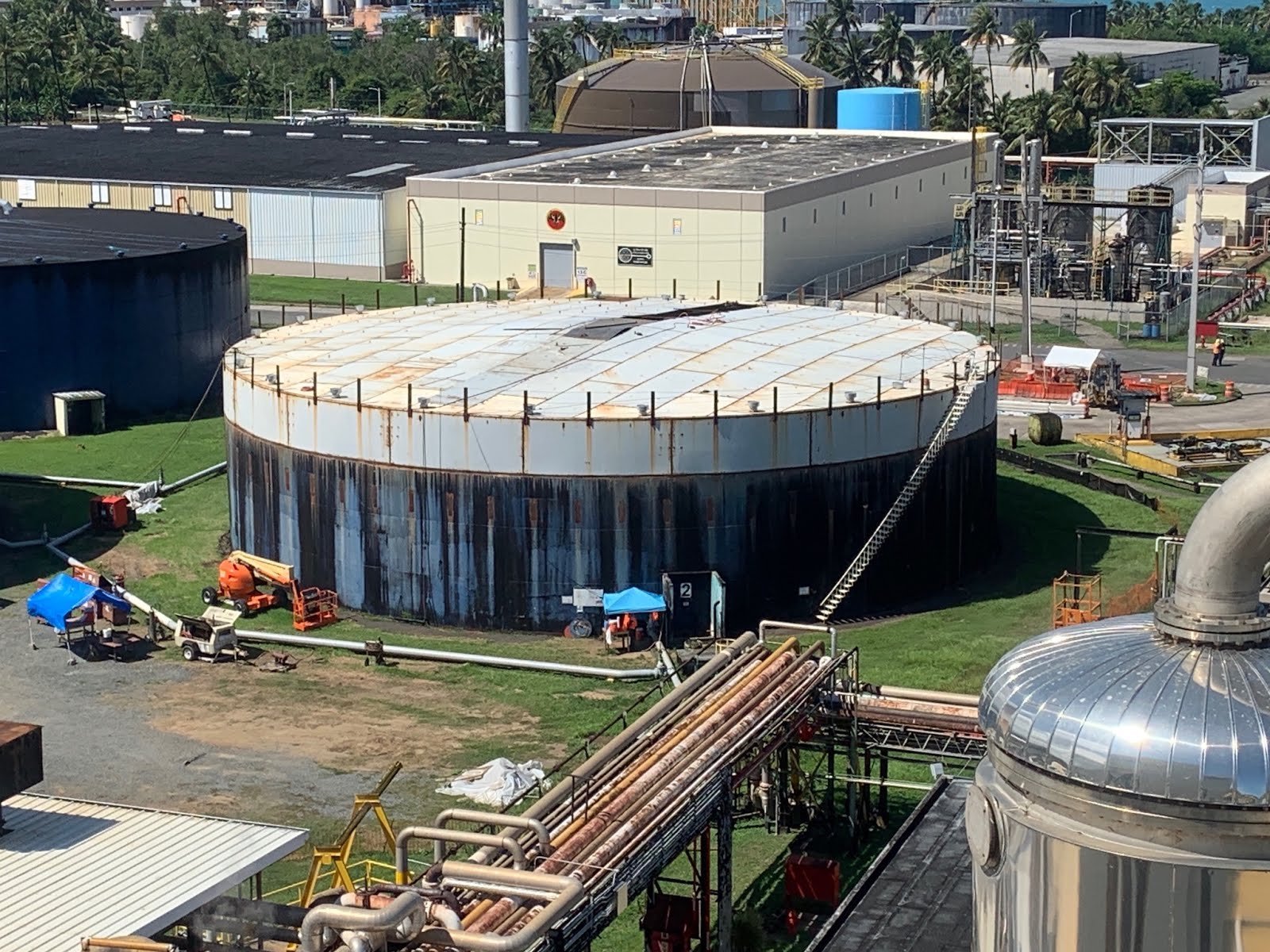
One of Europe's largest molasses storage businesses worked with our lead assessor, to become ESOS compliant during Phase 1. The project involved a full review of how the bulk liquid was stored in heated tanks considering start up and shut down of heaters, shift patterns, operating times, inventories, natural gas use, condensate, electricity use, types of pumps, compressors, metered data, condition survey of boilers, pressure gauges, valves, heat recovery, temperature control valves, Positive Displacement (PD) pumps, flow rates for pumps. On completion of the audit and review, CUSUM analysis alongside Sankey Diagrams were used to identify possible cost savings.
As a result of the work, an estimated 12 million kWh of energy could be saved alongside a cot saving of £300,000 per year.
Sector: Industrial Processes
Geography: EU
Ready to identify cost savings and become ESOS compliant?