Industry
Manufacturing
Challenge
The Carbon Border Adjustment Mechanism (CBAM) is a regulatory framework introduced by the European Union (EU) and UK aimed at preventing carbon leakage and ensuring that imported goods, including steel, reflect the same carbon costs as those produced within the EU. This mechanism is particularly relevant for the steel industry, which is one of the most carbon-intensive sectors, accounting for approximately 7% of global CO₂ emissions.
Results
PNZ Advisory partnered with Bright Steels Ltd. to assess CBAM readiness. The work involved screening surveys, data analysis, and emissions calculation modelling in line with EU CBAM regulatory compliance emission scopes. The results showed that only 3% of Bright Steels’ total carbon footprint was derived from its own operations and 97% from upstream (Scope 3) suppliers. Moreover, supplier carbon intensity varied widely, highlighting where targeted engagement can deliver the biggest impact.
Key Product
Limited Assurance Review, 3rd Party Verification of GHG Emissions, Advisory
“PNZ Advisory provided us with clear, practical support on understanding and meeting our CBAM obligations. Their team helped us develop a bespoke calculator that allows us to report embedded emissions to our EU customers with confidence. It’s been a huge help in maintaining compliance and strengthening transparency in our supply chain”

Bright Steels Limited
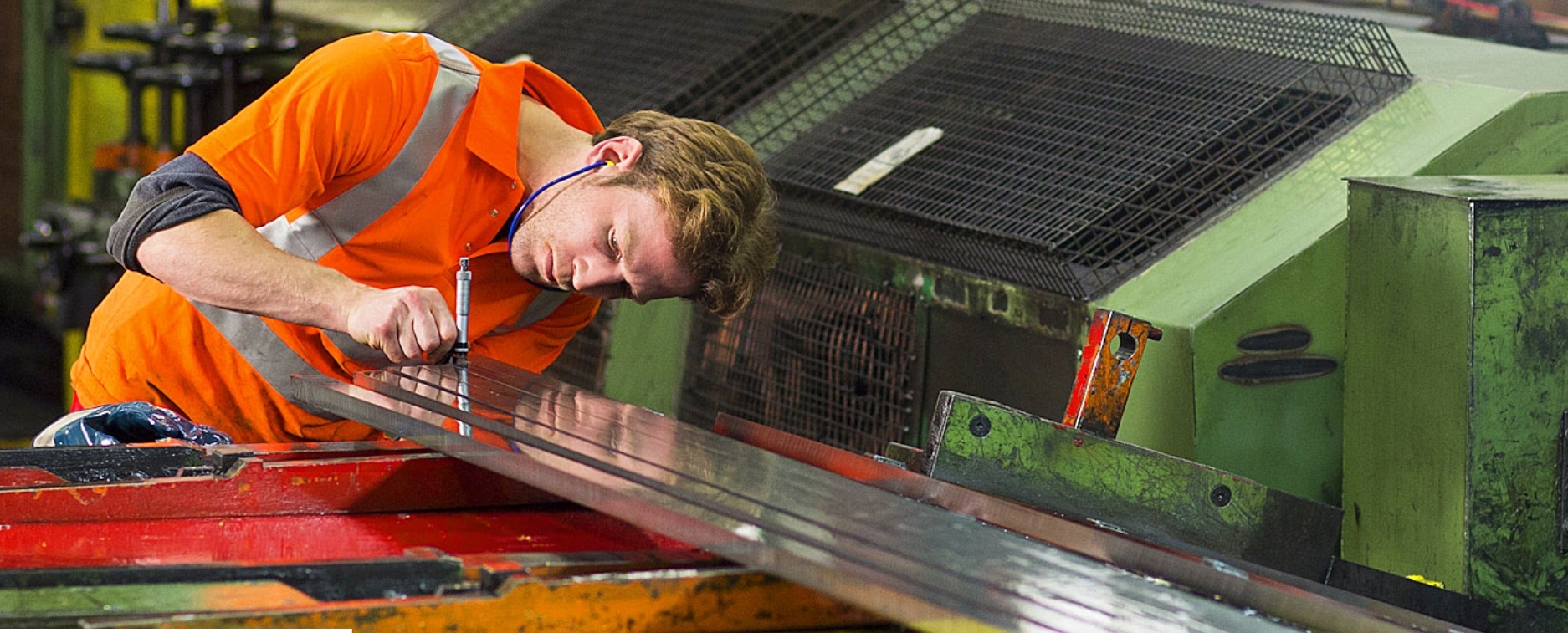
Bright Steels specialises in the production and stockholding of bright cold drawn flat bars, squares, hexagons and alloy rounds in addition to the manufacture of special shapes produced according to customer’s drawings.
Ready to strengthen the credibility of your carbon reporting?